Building brands the Internet loves
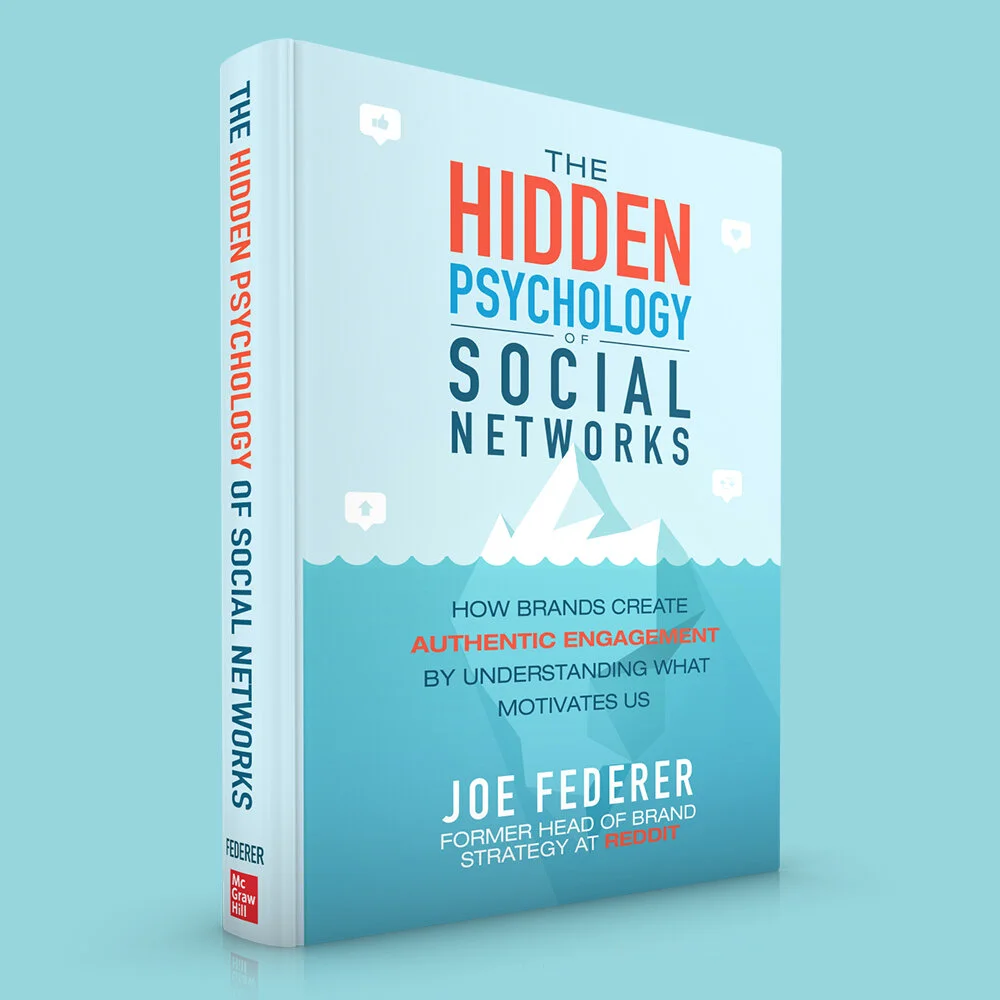
Our philosophy is best summarized by The Hidden Psychology of Social Networks
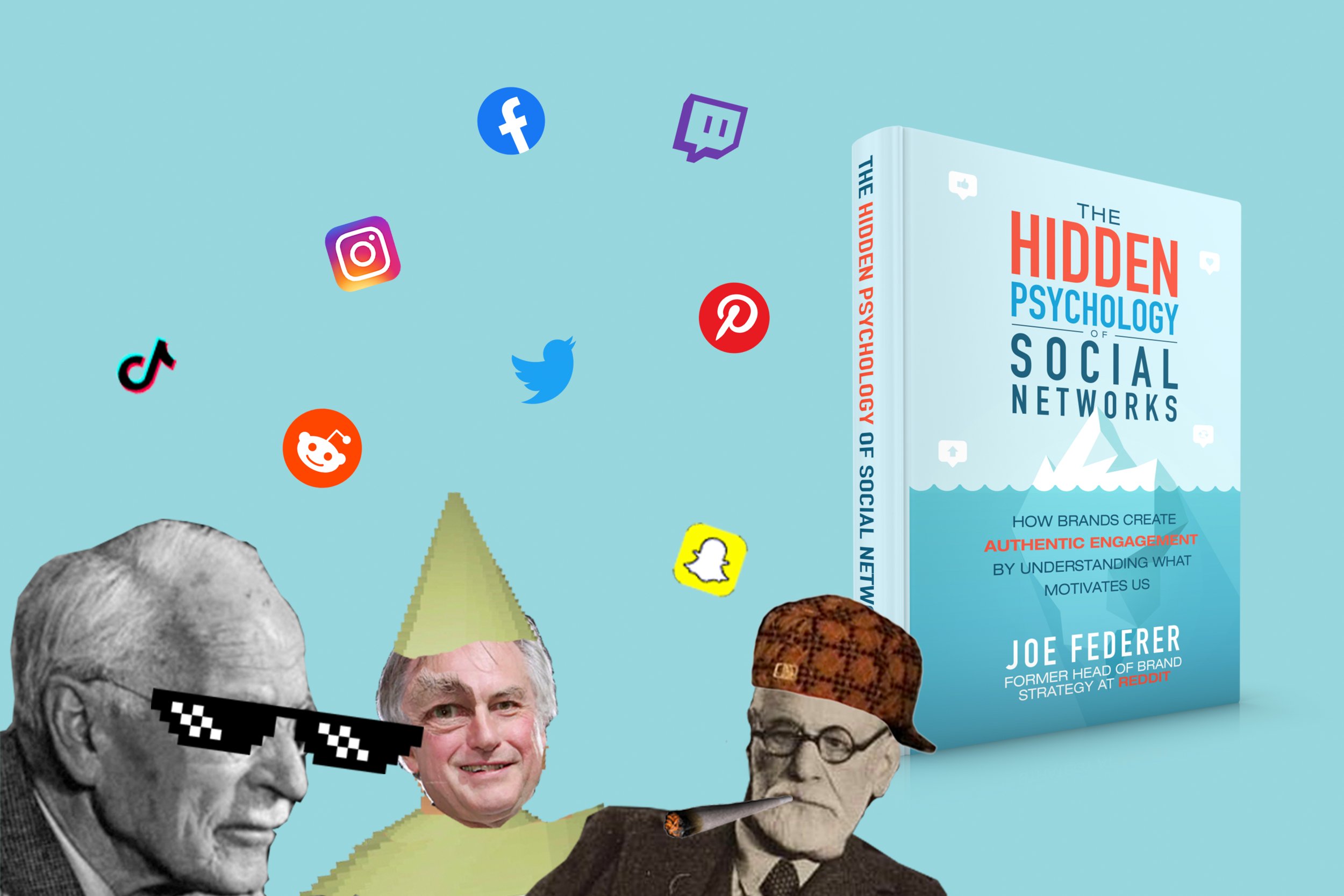
Written by our founder, Joe Federer, and published by McGraw-Hill, The Hidden Psychology of Social Networks is a summary of over a decade building some of the Internet’s favorite brands.
By understanding how different social media environments offer different kinds of psychological value to their users, we can better understand what will catch their attention and add value to their experiences. Marketing that adds value earns reach.
Drawing on evolutionary biology and psychology, the book revolves around three strategic frameworks for building best-in-class social strategies.
Social Media is an evolutionary landscape of ideas
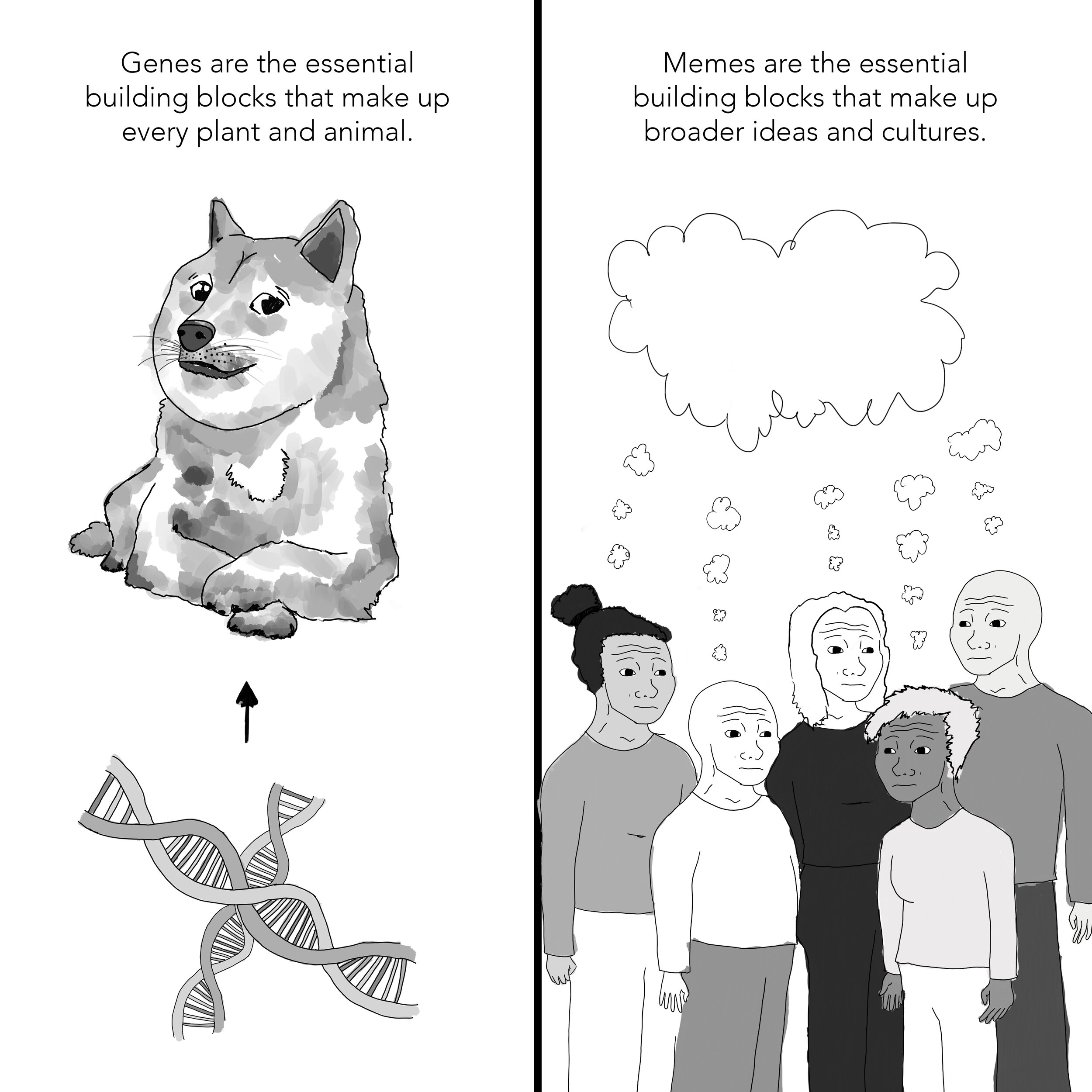
In 1976, Richard Dawkins coined the term “meme” in his book The Selfish Gene. In an evolutionary biology sense, a meme is simply a “unit of idea” or of culture. At the heart of every social media strategy is an idea that needs to be shared — the brand meaning or value. Every idea online is a “meme”, but a select few of them manage to propagate extremely successfully.
As brands, we don’t just deal in memes—we are memes. By understanding how organic memes evolve online, we better equip our branded ideas to drive sharing and engagement.
Every day, millions of ideas compete in an evolutionary struggle for attention
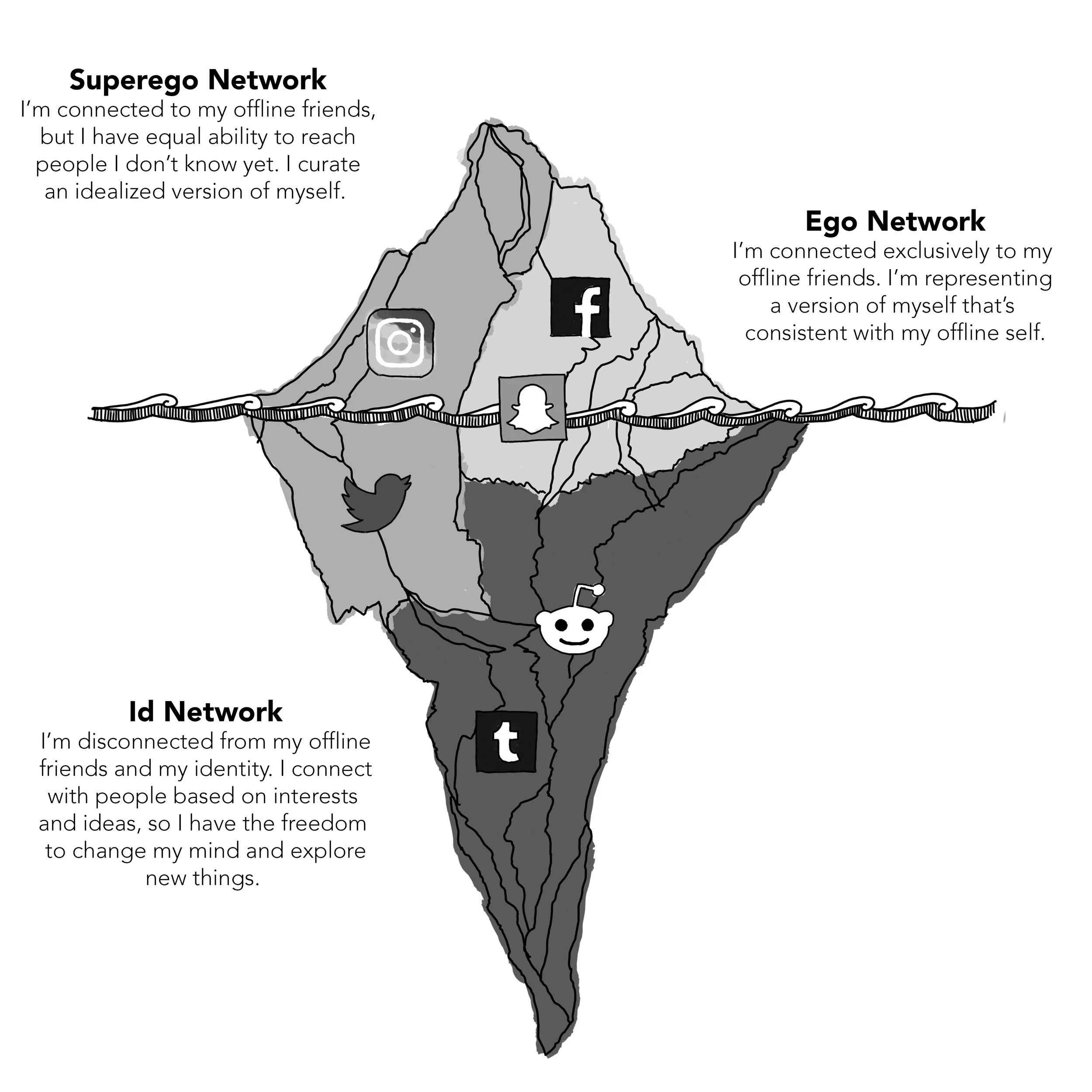
“Hi…” on Facebook means something different than “Hi…” on LinkedIn. Why? The context in which our message is shared carries just as much meaning as the content itself. In order to build an informed social media strategy, we should first understand the mindset of the people we’re trying to reach. If we understand why people are on a given social network in the first place, we can better predict the kinds of content that will resonate with them.
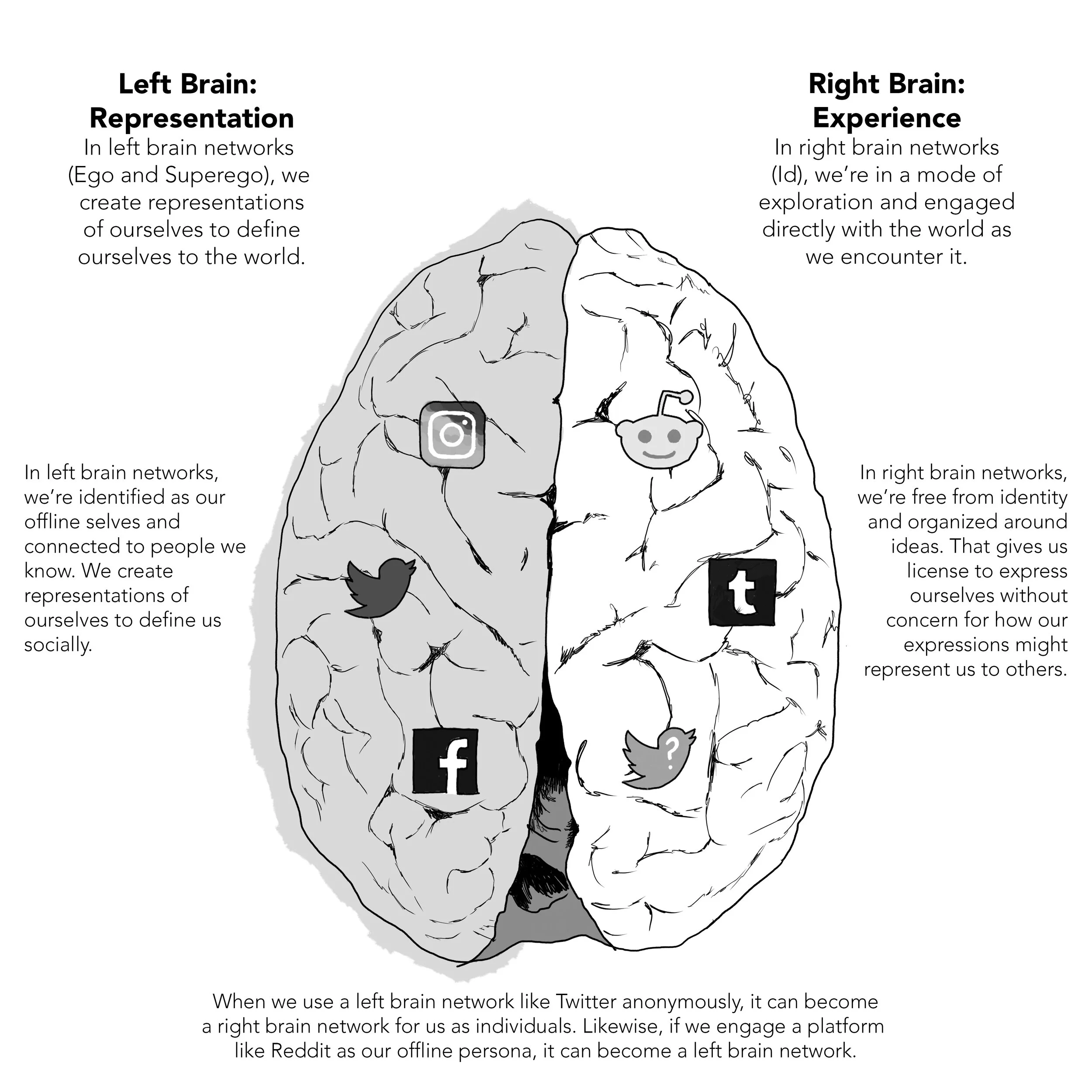
How and to whom we’re connected on a social network changes how we participate.
A great social strategy balances storytelling with tangible brand behaviors
While much of the pop psychology left-brain-right-brain information is wrong, there are fundamental differences in how the left and right hemispheres of our brains comprehend the world. In what is admittedly a massive oversimplification, the right brain experiences the world directly, while the left brain creates a representation based on the right’s experience.
The takeaway for brands? We tend to be pretty good at telling stories—we create beautifully shot videos designed to spark emotion or get a laugh. But we tend to be pretty bad at backing those stories up with real behaviors.
For most brands, that means building an engagement strategy to move from a “tourist” to a “local.”